Eco-Friendly Landscaping: Sustainable Practices for a Greener Tomorrow Aug 22, 2026
The essence of eco-friendly landscaping lies in designing and maintaining your outdoor spaces to minimize environmental impact. One of the fundamental principles involves selecting native plants. Native plants are naturally adapted to the local climate and soil conditions, which means they require less water, fertilizer, and pesticides than non-native species. By choosing native flora, you're contributing to the local ecosystem by providing habitat and food for local wildlife, such as birds and pollinators, which are crucial for biodiversity.
Efficient water management is another critical component of sustainable landscaping. Implementing irrigation systems that conserve water, such as drip or soaker hose systems, can significantly reduce water usage. Additionally, incorporating rain barrels is a practical approach to collecting rainwater, which can be used to water plants during dry spells. These practices not only conserve water resources but can also lower your water bill over time.
Mulching is another effective strategy for maintaining an eco-friendly landscape. It involves covering the soil with organic materials like wood chips or shredded leaves. Mulch helps retain soil moisture, suppresses weeds, and adds nutrients back into the soil as it breaks down. This natural process strengthens plant roots and enhances soil structure, reducing the need for chemical fertilizers.
Furthermore, sustainable landscaping is about reducing chemical input. Opt for organic or slow-release fertilizers instead of chemical ones. These are environmentally safe and promote healthier plant growth. Pesticides can be replaced with natural alternatives such as neem oil or insecticidal soap, which are less harmful to beneficial insects and the surrounding ecosystem.
Composting is a practice that not only reduces waste but also enriches the soil. By composting kitchen scraps and yard waste, you create a nutrient-rich amendment that can improve soil quality without resorting to synthetic fertilizers. Compost provides essential nutrients to plants, encourages beneficial soil organisms, and can significantly enhance your garden's vitality.
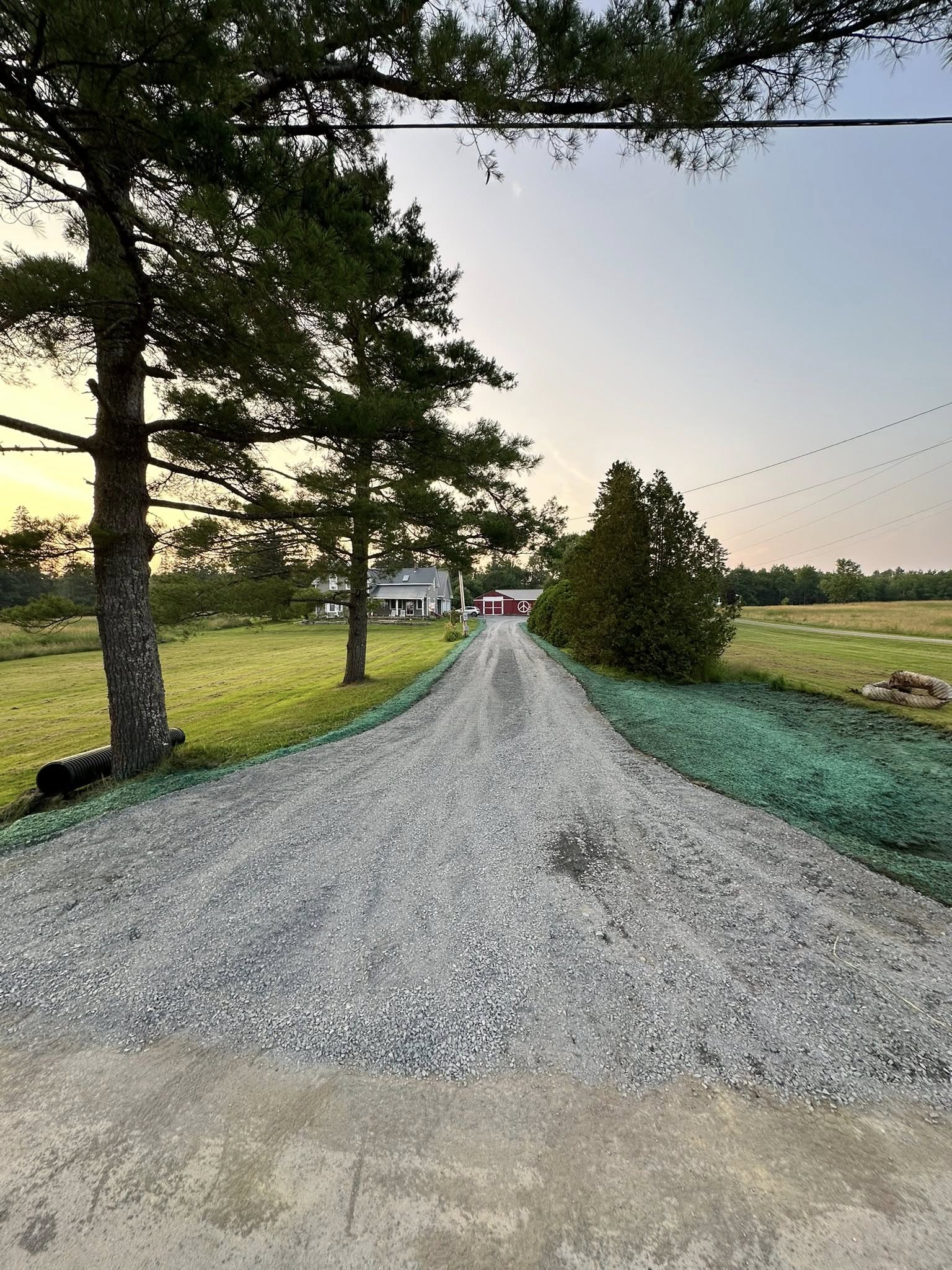
Hydroseeding is also a sustainable option for establishing lawns or ground cover quickly. It involves spraying a slurry of seed, water, and mulch onto prepared soil, ensuring even coverage and rapid germination. Hydroseeding uses less water than traditional seeding methods and ensures faster green spaces which are less prone to soil disturbances and erosion.
At Northern Lawn And Landscape, we advocate for these eco-friendly practices to ensure your garden not only looks beautiful but thrives sustainably. By choosing sustainable landscaping, you're not only contributing to a healthier environment but also future-proofing your landscape against the changing climate conditions.
In conclusion, adopting sustainable practices in your landscaping efforts is not only beneficial for the environment but also for homeowners looking to maintain attractive and functional outdoor spaces. These strategies emphasize water conservation, soil health, and biodiversity, which are essential components of an eco-friendly landscape. Northern Lawn And Landscape is here to support you in creating and maintaining a sustainable garden that aligns with your environmental values and aesthetic desires. Embrace eco-friendly landscaping today and contribute to a greener tomorrow.
/filters:no_upscale()/filters:format(webp)/media/8124c95c-024b-4f19-a046-f1066c8e697c.jpeg)